
Introduction
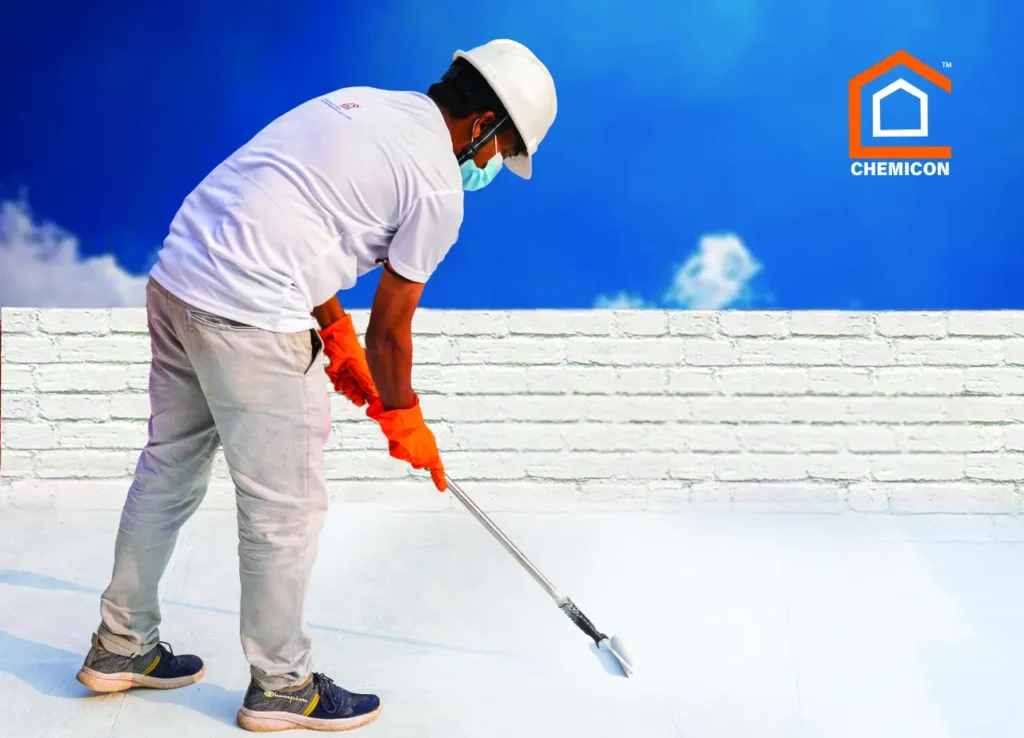
Waterproofing is a critical aspect of building construction, designed to prevent water infiltration and protect structures from damage. Proper waterproofing extends the lifespan of a building, enhances its durability, and reduces maintenance costs. Various techniques and materials are employed in waterproofing to ensure buildings remain dry and structurally sound.
Importance of Waterproofing
Waterproofing is essential for several reasons:
Structural Integrity: Prevents water damage that can weaken concrete, steel, and other materials.
Health and Safety: Reduces the risk of mold and mildew, which can cause respiratory issues and other health concerns.
Aesthetic Preservation: Prevents water stains, efflorescence, and other damages that can affect the building’s appearance.
Energy Efficiency: Proper waterproofing improves insulation, reducing energy consumption for heating and cooling.
Types of Waterproofing Systems
Several waterproofing techniques are used depending on the location and requirements of the building:
1. Cementitious Waterproofing
This is a widely used and cost-effective method involving cement-based coatings. It is applied in internal wet areas such as bathrooms and basements.
Advantages:
Easy to apply
Highly durable
Resistant to chemicals
2. Liquid Waterproofing Membranes
A flexible, liquid-based coating that forms a rubber-like layer when dry. Commonly used on roofs, balconies, and terraces.
Advantages:
Highly flexible
Seamless application
Can be applied in multiple layers for added protection
3. Bituminous Waterproofing
This method uses bitumen-based materials to provide effective waterproofing for roofs and foundations.
Types:
Bituminous Coatings: Applied as a protective layer on concrete surfaces
Bituminous Membranes: Available in self-adhesive or torch-applied sheets
Advantages:
High durability
Strong water resistance
Cost-effective
4. Polyurethane Waterproofing
Polyurethane is a highly flexible and effective waterproofing material that is ideal for areas exposed to weather elements.
Advantages:
High elasticity
Strong adhesion to surfaces
UV and weather-resistant
5. EPDM Rubber Waterproofing
Ethylene Propylene Diene Monomer (EPDM) rubber is a synthetic rubber membrane widely used for waterproofing roofs and basements.
Advantages:
Extremely durable
UV-resistant
Low maintenance
Applications of Waterproofing Systems
Waterproofing is essential in various parts of a building to prevent water-related damages.
1. Roof Waterproofing
Roofs are highly exposed to rain and environmental conditions. Waterproof membranes and coatings prevent leaks and protect the structural integrity of the roof.
2. Basement Waterproofing
Basements are prone to water infiltration due to their location below ground level. Methods like cementitious coatings, drainage systems, and waterproof membranes are commonly used.
3. Bathroom and Kitchen Waterproofing
Wet areas like bathrooms and kitchens require special waterproofing measures to prevent leaks and moisture damage. Cementitious and liquid membranes are commonly used in these areas.
4. Balcony and Terrace Waterproofing
Balconies and terraces are exposed to rainwater and temperature variations. Waterproof coatings and membranes ensure their longevity and prevent leaks.
5. Foundation Waterproofing
Foundations need strong waterproofing systems to prevent ground moisture from seeping into the structure. Bituminous membranes and cementitious coatings are often applied to foundations.
Common Waterproofing Materials
Various materials are used in waterproofing systems, including:
Polyurethane coatings
Acrylic coatings
Silicone sealants
Crystalline waterproofing compounds
Bituminous sheets and membranes
Challenges in Waterproofing
Despite advancements, several challenges persist in waterproofing:
Improper application: Poor workmanship can lead to failures in the waterproofing system.
Environmental factors: Extreme weather conditions can degrade waterproofing materials over time.
Aging structures: Older buildings may require extensive waterproofing upgrades to prevent leaks and water damage.
Conclusion
Waterproofing is a crucial component of modern construction, ensuring the longevity and durability of buildings. With various materials and techniques available, selecting the right waterproofing system based on the structure’s needs is essential. Continued research and advancements in waterproofing technology will further improve the efficiency and effectiveness of these systems, making buildings safer and more resilient against water-related damages.
