
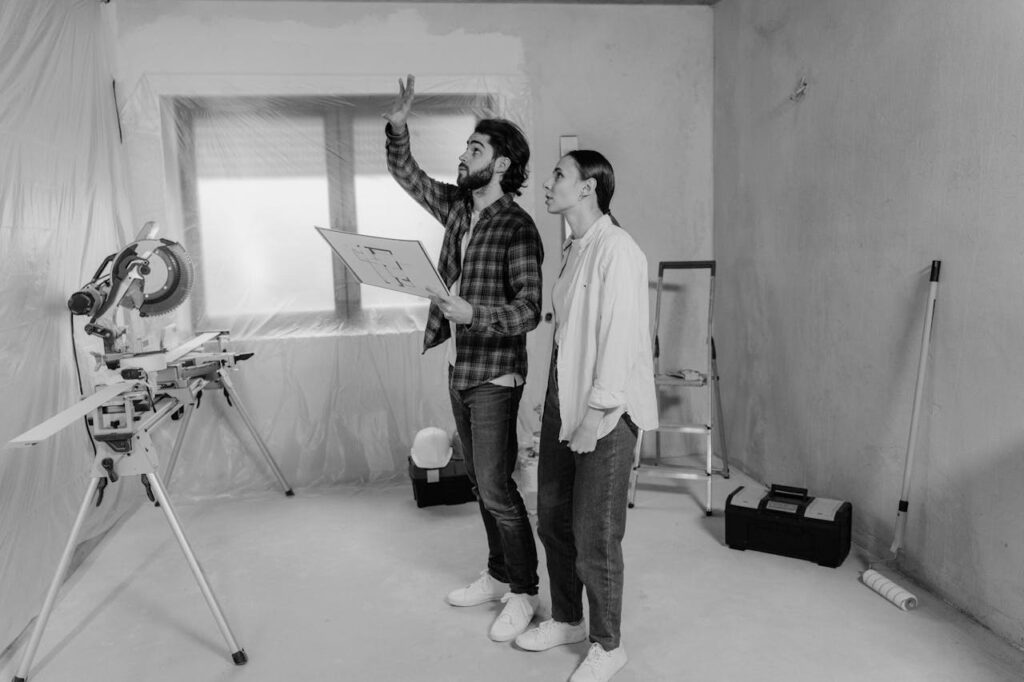
Interior Design in Buildings: Creating Functional and Aesthetic Spaces
Interior design plays a crucial role in shaping the functionality, aesthetics, and overall atmosphere of a building. It combines art and science to create spaces that are not only visually appealing but also practical and comfortable. From residential homes to commercial establishments, interior design influences how people experience and interact with their environment.
The Importance of Interior Design
A well-designed interior enhances the quality of life and work within a space. Thoughtfully arranged spaces improve productivity, promote relaxation, and contribute to overall well-being. For businesses, effective interior design can create a welcoming atmosphere that attracts customers and enhances brand identity. In homes, it reflects personal style while ensuring comfort and convenience.
Key Elements of Interior Design
Space Planning Space planning is fundamental in interior design, ensuring that areas are utilized effectively. It involves analyzing room dimensions, arranging furniture, and creating a flow that facilitates movement and usability.
Color Schemes Colors influence mood and perception. Warm colors like red and orange create a cozy atmosphere, while cool colors like blue and green promote calmness. Neutral tones provide balance and versatility in various settings.
Lighting Lighting enhances ambiance and functionality. Natural light is ideal for creating an open and airy feel, while artificial lighting, including ambient, task, and accent lighting, is used to highlight features and improve visibility.
Furniture and Layout The selection and arrangement of furniture impact both aesthetics and functionality. Ergonomic and stylish furniture ensures comfort, while proper placement maximizes space efficiency.
Textures and Materials Different textures and materials add depth and character to a space. Wood, metal, glass, and fabrics each contribute to the overall theme, whether it be modern, rustic, or industrial.
Decor and Accessories Decorative elements such as artwork, plants, rugs, and curtains personalize a space and enhance its visual appeal. Accessories should complement the overall design without causing clutter.
Interior Design Styles
Interior design varies widely in style, catering to different tastes and functional requirements. Some popular styles include:
Modern: Characterized by clean lines, neutral colors, and minimalist aesthetics.
Traditional: Features classic furniture, rich colors, and ornate details.
Industrial: Incorporates raw materials like exposed brick, metal, and wood for a rugged look.
Minimalist: Focuses on simplicity, neutral colors, and uncluttered spaces.
Bohemian: A mix of vibrant colors, eclectic furnishings, and artistic elements.
Scandinavian: Emphasizes functionality, light colors, and natural materials.
Sustainable Interior Design
With growing environmental awareness, sustainable interior design has become a priority. Eco-friendly materials, energy-efficient lighting, and repurposed furniture contribute to reducing the carbon footprint of buildings. Using natural ventilation, solar energy, and smart home technology further enhances sustainability.
Conclusion
Interior design is an essential aspect of architecture and construction that transforms buildings into functional and visually pleasing spaces. Whether designing a home, office, or commercial establishment, incorporating thoughtful design elements can create environments that are both beautiful and practical. By blending creativity with functionality, interior design enhances the way people live and work in built environments.
